
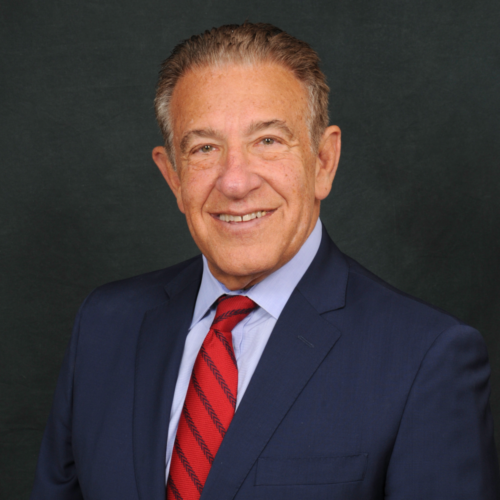
Featuring Barry A. Hendin, MD
MSAA’s Chief Medical Officer
Question: What causes the pain and tight pressure around the body known as an “MS hug,” how is it treated, and can it be avoided?
Answer: The causes of the MS hug aren’t entirely clear, but we believe it is caused by an inflammation or injury to the nerves of the central nervous system (CNS), consisting of the brain, spinal cord, and optic nerves. This inflammation interrupts nerve impulses and sends mixed signals to the body and the muscles. When experiencing these symptoms for the first time, it is often uncomfortable and disturbing. The term “hug” may sound inappropriate as a hug normally refers to a warm and affectionate feeling, unlike an “MS hug” that can be quite uncomfortable.
The sensation of tightness that comes from an MS hug is commonly experienced around the chest or abdomen. However, people can experience MS hugs differently and any part of the body may be affected. With a first episode, it’s important to contact your clinician to rule out other causes. If the initial symptoms are severe, individuals should seek immediate medical assistance.
In terms of treatments, when the episodes are persistent or painful, medications such as baclofen, amitriptyline, or gabapentin may be tried, but for most people, medication won’t be necessary. Certain strategies that people can do on their own may also be helpful. These include wearing loose clothing or tight clothing (depending on what works best for each individual), as well as applying heat, taking a warm bath, and/or using relaxation techniques.
Totally avoiding susceptibility to an MS hug probably isn’t possible, but it’s less likely to occur if you avoid the triggers of stress, fatigue, and overheating. Also understanding that this is uncomfortable, but not dangerous, helps to make the MS hug a bit more bearable. For more information, please visit MSAA’s website section focusing on MS hug.
Stay updated on MSAA news, including new Ask the Expert posts!
Barry A. Hendin, MD, is a neurologist and Director of the Arizona Integrated Neurology MS Center. He is also Director of the Multiple Sclerosis Clinic at Banner University Medical Center and Clinical Professor of Neurology at the University of Arizona Medical School.
MSAA’s Ask the Expert series recently received an APEX Award for Best Series of Blog Posts as well as a Merit Award from the 26th Annual Digital Health Awards!