Summoning Summer

By Stacie Prada

Well into July this year, summer weather hasn’t arrived where I live yet. Days are cool and pleasant, but intermittent rain and cloudy days persist.

A few days ago, I ordered an iced coffee for the first time this year. With my first sip, I had a strong sense of summer. It was an involuntary and automatic response where my exhale was one of complete satisfaction. It made it clear to me how much seasons are about more than the weather. I’d been waiting for summer to start, and I realized I can enjoy summer without waiting for the weather to change.

Summoning Summer written on a yellow post-it talking about summer weather
Continue reading

Balancing Whimsy and Invisible Forces

By Stacie Prada

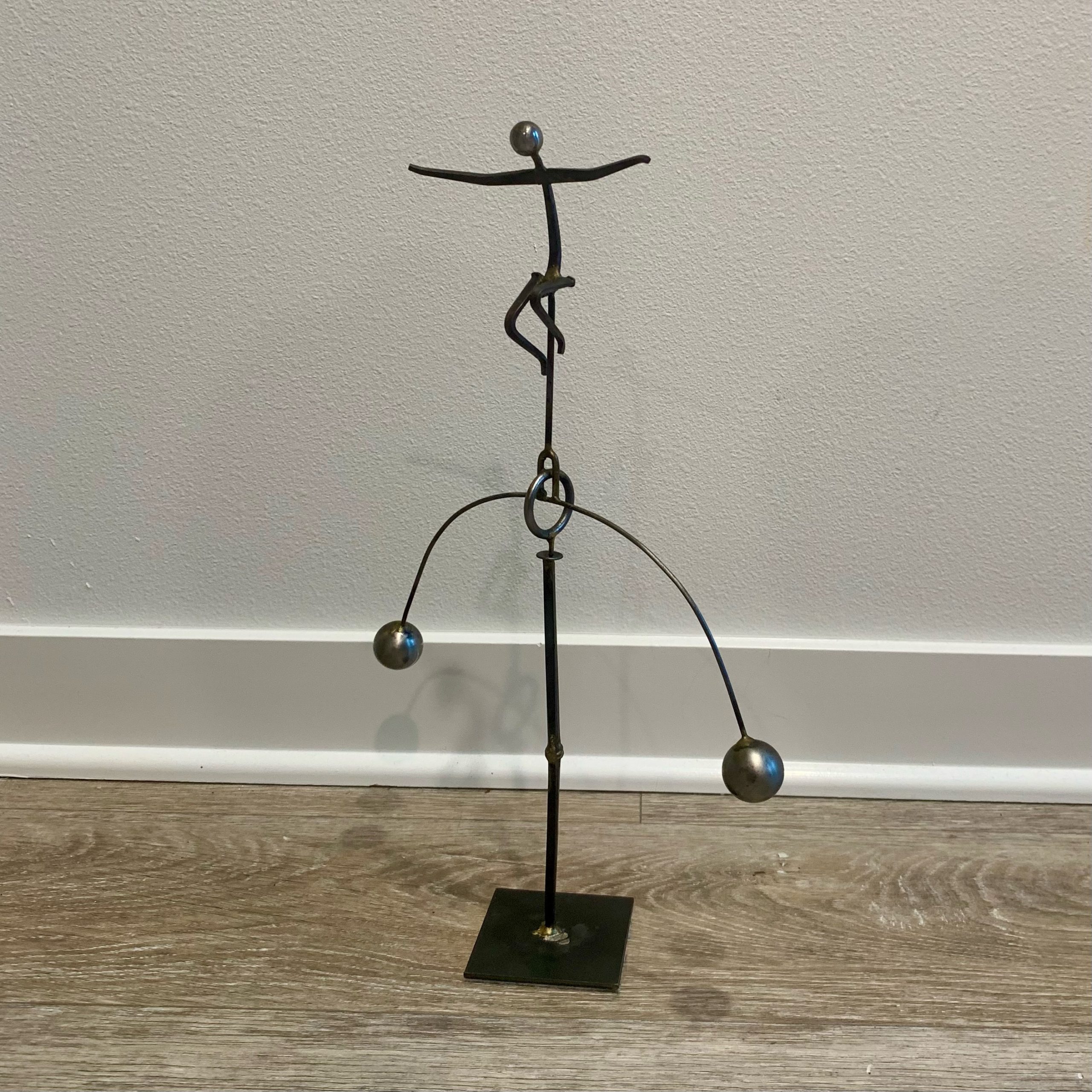
Art that resonates with me changes depending on where I am in my life, how I’m feeling, and what I’m facing. Some things I loved at certain points in my life I love because they spoke to me at that time. I think if I were to first see some of them today, I would not connect in the same way as I did back then. I have some pieces that spoke to me during dark times that I chose to let go when times changed and they no longer brought me solace.  Others have endured through life changes and still resonate.

Continue reading

The Liberation & Necessity of Hobby Accommodations

By Stacie Prada

Often the statement is said, “MS took from me…(fill in the blank)…”  Multiple sclerosis takes a lot physically and emotionally, and it is frustrating and depressing. There’s no getting around the ongoing loss and grieving process of living with a chronic and progressive illness. It deserves acknowledgement and shouldn’t be minimized or dismissed.

Image of an orange colored post-it reading "Hobby Accommodations" emphasizing the topic of guest blogger Stacie Prada

Being optimistic and living well with MS demands immense resilience and coping skills. It also benefits from accommodations and adaptive technology. While often described and prescribed for work and personal grooming, accommodations that support ongoing participation in hobbies are especially joy-inducing. They help reduce or perhaps delay some things on the long list of things that MS took from a person.

Accommodations are crucial for how they can make an activity rewarding and fulfilling instead of a reminder of how much we can’t do anymore. Thinking about what makes an activity difficult will help determine which accommodations would be useful for an individual.

Continue reading

MS Springs: Spasticity & Spasms

By Stacie Prada

Spring is a time of fresh starts and emerging from winter. Spring is a season, a mindset, and a promise of better days ahead. Lately, spring for me is the overreaction my arms and legs give for a slight touch. Reflexes that have always overreacted to the tap on the shin or elbow are now exaggerated to a point that seems almost comical for the physical threat they pose to anyone within reach.

Spring now correlates with spasticity and spasms for me. The energy and movements my limbs release are disproportionate to the touch that triggers them. A limb’s quick return to original position and residual spasms mimic the vibration and cartoonish boing of a spring as it comes to rest.

My spasticity isn’t what I anticipated from the descriptions I’d researched over the years.

Continue reading

Playing the Cards I’m Dealt

By Stacie Prada

I love the emotional and intellectual sides of aging. With each decade, I grow more certain about who I am, what matters to me, and where my strengths lie. I worry less about pleasing others and more about doing what’s right for my physical and mental health. Without multiple sclerosis, I likely would have enjoyed this aspect of aging, but I believe having MS accelerated my drive to live a life I love and feel good about myself.

I thought some things were non-negotiable while I was pre-diagnosis and in peak physical health. Post MS diagnosis, those same things were reconsidered and proved to be negotiable. With diagnosis, my body’s confusing aspects had an explanation, and I could no longer dismiss them when they appeared. Work and the expectations people placed on me were no longer the highest priorities. Rest, sleep and personal fulfillment earned positions of power that would affect choices and influence decisions. For me, this was helpful and necessary.

Continue reading

Short Days, Dark Nights, and Big Hopes

By Stacie Prada

Each winter, darkness pervades my free time. Living in the Pacific Northwest, daylight hours seem to only exist on weekends and during lunch on weekdays. Dry, sunny days are less frequent, and spending time outside requires dressing for wind, rain and cold. While invigorating to experience, inclement weather provides encouragement to stay inside and find comfort from the elements.

It takes more creativity and effort to be active when the environment encourages spending time indoors. The draw of the sofa and screen time is compelling and comforting. I can justify that time and accurately describe it as productive by using it to rest, connect with others, learn, create, reflect and amuse myself. All are valid uses of time, and they only lack fulfillment if they sabotage my needs or goals. Usually the challenge is not the use of time but the amount of time spent on them.

Continue reading

An ABC Mantra: Always Be Curious

By Stacie Prada

Multiple sclerosis affects brains and spinal cords, and damage affects sensations, movement and cognition. Each person experiences MS uniquely, and what helps one person might not help the next. The right treatments, medications, diet, coping skills, life changes, fitness regimens and lifestyles are different for each person. They also change throughout a person’s life. What works well for one person at diagnosis might not work for the same person years later.

The same is true for every person with or without a chronic illness. One size doesn’t fit all. Yet, I feel strongly that everyone can benefit from approaching ourselves, each other and the world with curiosity.

Continue reading

Intentional and Collaborative Planning

By Stacie Prada

It’s typical to ask “What do you want to do today?” I’ve had richer conversations and better success asking, “What are your goals for the day? What would make today successful for you?”

It helps shift the conversation from specific decisions to a discussion about attributes that matter to each person. It might feel a little goofy or too structured, but I promise it contributes to relationships of respect and understanding with people who mean well and care. 

During the holiday season, it’s even more worthwhile to be clear about what matters to each of us. Holidays bring out heightened emotions and expectations for how to celebrate. Keeping traditions and doing what we’ve always done isn’t always possible or wise anymore. Whatever the reason, it’s worth introspection and discussion to adapt.

Collaborative Planning

What are your goals for the day, the weekend, the month or the holiday season? 

I try to ask these questions of myself and those I’ll spend time with.  When I know what I need to get done, what I want to do and what the minimum is that I hope to do, I can be realistic about what will meet my needs.

When I share my answer with others, they help me make it happen. When they share with me what they’d like, I factor their needs and preferences into plans. Usually our desires are compatible, and meeting everyone’s needs is doable. When we’re on the same team and plan collaboratively, we often come up with better and more fulfilling plans than if we’d left decision-making to one person.

Everyone has different desires, and each decision has different implications. A solution to one barrier might create other problems or eliminate something important to someone else. 

What’s important? What’s the essence of what would make it successful?

Knowing this helps shape decision making. We can collaborate on plans and understand what we’re trying to accomplish for each person involved.

If you don’t know what you want, you’re unlikely to get it or know you got it. If you don’t share what you want, you’re leaving everyone guessing and unlikely to make decisions that will meet your needs.

I have a friend who shared they get frustrated when they plan holidays and vacations with everyone in mind, but no one asks what they want. They understandably feel unappreciated. It’s not easy advocating for our needs, and often friends and family forget to ask. Proactively asking everyone what they want or need allows everyone to share in the conversation and decision-making. It also helps make decisions when things don’t go as planned. Everyone can contribute to problem-solving, because they know in advance what attributes are important to each person.

There are some who might not cooperate. Anyone sabotaging plans or dismissing another’s needs must be dealt with or avoided. If that’s an issue, find an ally who can reinforce or champion your wishes along with those of the rest of the people in the group. If that’s not possible, one-on-one counseling may be needed to navigate the specific situation or relationship.

In good relationships, sharing needs and limitations leads partners, family and friends to advocate for each other. Being self-aware, forthcoming and curious cultivates healthy bonds and boundaries. Being intentional with planning and collaborating with everyone involved is an opportunity to learn about each other, accommodate needs and appreciate our uniqueness.

*Stacie Prada was diagnosed with RRMS in 2008 just shy of 38 years old. Her blog, “Keep Doing What You’re Doing” is a compilation of inspiration, exploration, and practical tips for living with Multiple Sclerosis while living a full, productive, and healthy life with a positive perspective. It includes musings on things that help her adapt, cope and rejoice in this adventure on earth. Please visit her at http://stacieprada.blogspot.com/

Blame the Disease, Not the Person

By Stacie Prada

Question: What was most and least helpful when you were first diagnosed?

Answer: The people. Collectively, they were the most helpful. Individually, some were the most and some were the least helpful.

Blame the disease, not the person

The people who listened, asked questions and validated my feelings helped me the most with my multiple sclerosis diagnosis. Answering sincere questions helped me analyze what was true at that time and what was fear for the future. Thinking through the issues and explaining my experience helped separate what I could influence from what I couldn’t. They offered suggestions while respecting my opinions and decisions. The paid support people who helped me immensely included my medical support team: primary care provider, counselor, neurologist, and physical therapist. The unpaid support team included family, friends, coworkers, online connections, and the local MS self-help group.

Those who told me what I needed to do or why I shouldn’t worry were naïve and ill-informed. They would prescribe treatments without knowing what caused my symptoms or what my symptoms even were. They’d tell me I’d be fine since someone they know who has MS is fine. They assured me I’d stay healthy to appease their own fears, not mine. They included people in all of the categories listed above who helped me immensely. A person’s profession or relation doesn’t automatically place them in the category of helping or hindering. How they behave and interact does.

The people who judged me harshly for how my health was impacting them caused the most stress, guilt and pain. I was criticized for being less attentive in my relationships and for letting MS be my focus. I believed it was a personal fault that I was burdening others. 

I genuinely thought I should be able to deal with my health privately and keep doing everything I’d been doing for others. I wanted to be strong and prevent the people in my life from being affected by my diagnosis and documented chronic illness. 

MS symptoms and exacerbations made me unable to meet the expectations I had for myself and others had for me. It helped me realize the expectations had always been unreasonable. I learned I’d never be able to be healthy physically and emotionally if I kept trying to meet unreasonable expectations.

I realized I can’t do this alone, and I shouldn’t. 

The people who validated that I needed to address my health and accepted things would change – they helped me the most.

The people who were angry, hurt, blamed and resented me for their unhappiness – they helped force me to realize I didn’t need to keep working toward the life I’d been building, and I probably couldn’t if I kept trying. In a painful way, they helped me open my future to more possibilities. Changing things wasn’t failure, it was survival.

Survival requires self-care. To people who are used to benefiting from an unhealthy relationship dynamic, other people practicing self-care feels like neglect. It’s good that terms are available now to describe manipulative behaviors. Consider (and look them up if unfamiliar) gaslighting, shaming, isolating, catastrophizing, guilt-tripping, silent treatment, insults disguised as jokes, and jealousy are just some of them. Hopefully discussions and education on unhealthy relationship tactics help people recognize them instead of feeling responsible for other people’s feelings and accusations.

It helped the most when I and the people in my life accepted my health as a fact of my life and worked together to make the most of my abilities and limitations. They watch out for me, help me reflect, know my health may inconvenience them at times and always make it clear they are on my team. 

We are united in our approach: Blame the disease, not the person. 

*Stacie Prada was diagnosed with RRMS in 2008 just shy of 38 years old.  Her blog, “Keep Doing What You’re Doing” is a compilation of inspiration, exploration, and practical tips for living with Multiple Sclerosis while living a full, productive, and healthy life with a positive perspective. It includes musings on things that help her adapt, cope and rejoice in this adventure on earth. Please visit her at http://stacieprada.blogspot.com/
MS Relapses: An Evolution of Perspective

By Stacie Prada

Multiple sclerosis relapses are scary for the symptoms they bring, and they’re overwhelming for the individual prognosis. Sharing our history and perspectives on relapses can help each of us gauge how we’re similar and different. It can show us how we are at different locations on similar paths or how we’re not on the same path at all. Anticipating how long my path is, what I may encounter along the way and how quickly or slowly I’ll reach each phase helps me put today in perspective and plan for the future.

Years 1 through 5 after MS Diagnosis were full of relapses, and my primary goal was to not have a relapse.  Those years were full of stress, confusion and frustration. The amount of information to learn and apply was staggering. The reliance on doctors to provide testing and assessment of whether I was having a relapse or not made me feel helpless. My health journals overflow with information to help me make sense of my body. Each relapse felt like failure.

Year 5Monitoring MS Symptoms and Trying to Avoid Relapses
I started blogging, and my lessons learned became more accessible for me to find later. This one is a go-to resource that reminds me to pay attention to what my body needs while accommodating what life requires. 

Year 6I Feel Like a Rock Star!
I was declared “stable and in remission.” I reached a point of confidence where I felt like I could finally tell if I was having an exacerbation or not. I knew how terrible I felt when I was having a relapse, and I knew how well I could feel when I wasn’t. I’d learned my body enough to know which symptoms were normal for me. I could distinguish between when the intensity and duration was likely due to existing damage from previous relapses and when it was likely new active MS activity. 

Year 8When is it an MS Exacerbation?
I documented and shared my mental checklist for relapse self-diagnosis with examples. I still read it whenever I wonder if I’m having an exacerbation.

Year 10Relapse Management
People with MS do not have complete control over whether or not they have a relapse. If someday there is a determined cause, cure and 100% effective management regimen, then that might be possible. Until then, the only ways I think relapses can be managed are to tackle them when they happen, reflect on them after they happen to try to find any patterns or contributors that you might be able to control, incorporate what helps, avoid what doesn’t, and try to make the fear manageable when they do happen. This post includes 13 Guidelines to follow that serve me well daily, then and now.

Year 13, Present Day – Symptoms without relapses: I look back to achieving the highly sought-after status of stable and in remission at year six with fondness and appreciation for the feeling of success. I envy my naiveté thinking that without relapses I’d be safe from disease progression.

The truth is nerves with old lesions can function for a while and give out much later. Some nerve function can repair, but it can also decline causing symptoms to worsen long after the relapse that caused the lesion. 

The majority of people with MS start with relapsing-remitting MS. The statistic that about half of people with MS transition to Secondary-Progressive MS in ten years is based on a time when disease modifying medications didn’t exist. Since these medications are intended to reduce the frequency of relapses and delay disease progression, I’m hopeful I’ll stay in the RRMS phase or take much, much longer than ten years to enter the SPMS phase. Differentiating between what is possible, likely or probable is tough. There are no guarantees, nor are there inevitable outcomes. 

With or without relapses, MS is with me and will shape my future. What I can do is keep doing what I’m doing. Keep learning, monitoring, adapting, and factoring my health into my daily decisions and long-range plans. Appreciate the people on this journey with me, and make sure to have fun along the way. Take very good care, all.

*Stacie Prada was diagnosed with RRMS in 2008 just shy of 38 years old.  Her blog, “Keep Doing What You’re Doing” is a compilation of inspiration, exploration, and practical tips for living with Multiple Sclerosis while living a full, productive, and healthy life with a positive perspective. It includes musings on things that help her adapt, cope and rejoice in this adventure on earth. Please visit her at http://stacieprada.blogspot.com/